Crate Training Solutions
Key Takeaways
- Understand the benefits of crate training for dogs.
- Choose the right crate size for your dog.
- Utilize interactive toys to make crate time enjoyable.
- Implement gradual training techniques for success.
- Be patient and consistent throughout the training process.
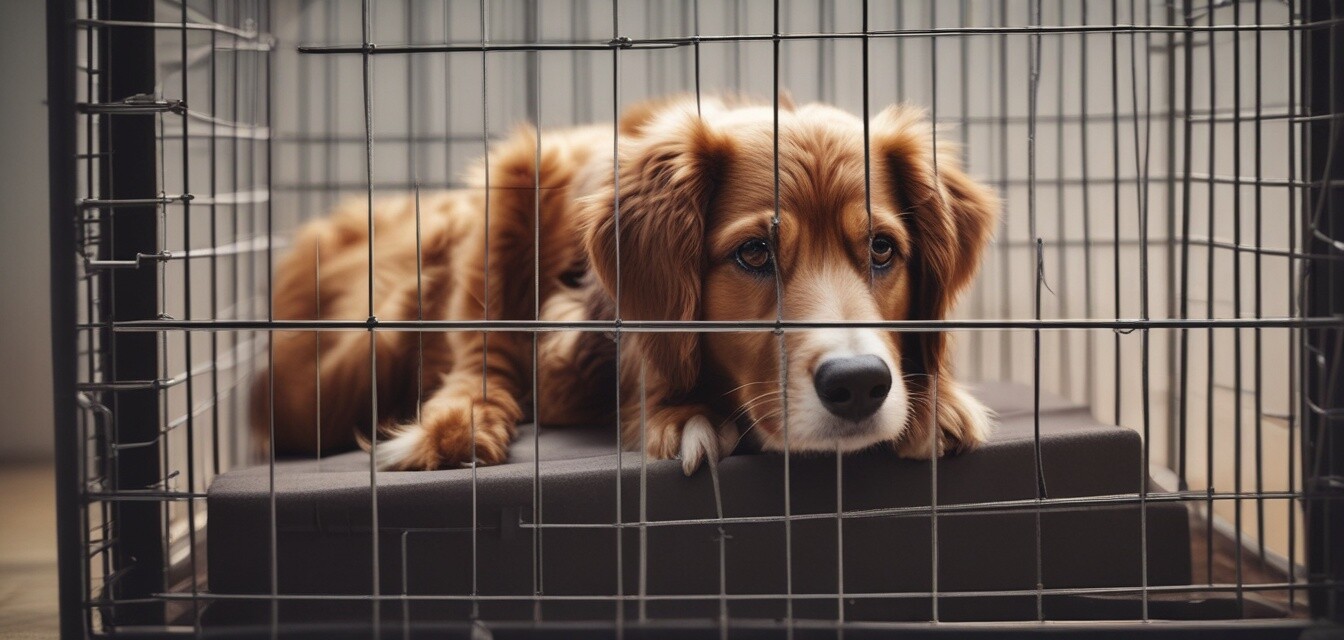
Crate training is an essential technique for dog owners looking to provide a safe space for their pets while fostering good behavior. This article will explore various tools, techniques, and tips to ensure a smooth and successful crate training experience for both you and your dog. Let's dive into effective methods to create a positive association with the crate!
Why Crate Training?
Crate training offers numerous benefits, including:
- Providing a secure space for your dog.
- Assisting with house training.
- Preventing destructive behavior when unsupervised.
Choosing the Right Crate
When selecting a crate, consider the following factors:
| Crate Type | Best For | Features |
|---|---|---|
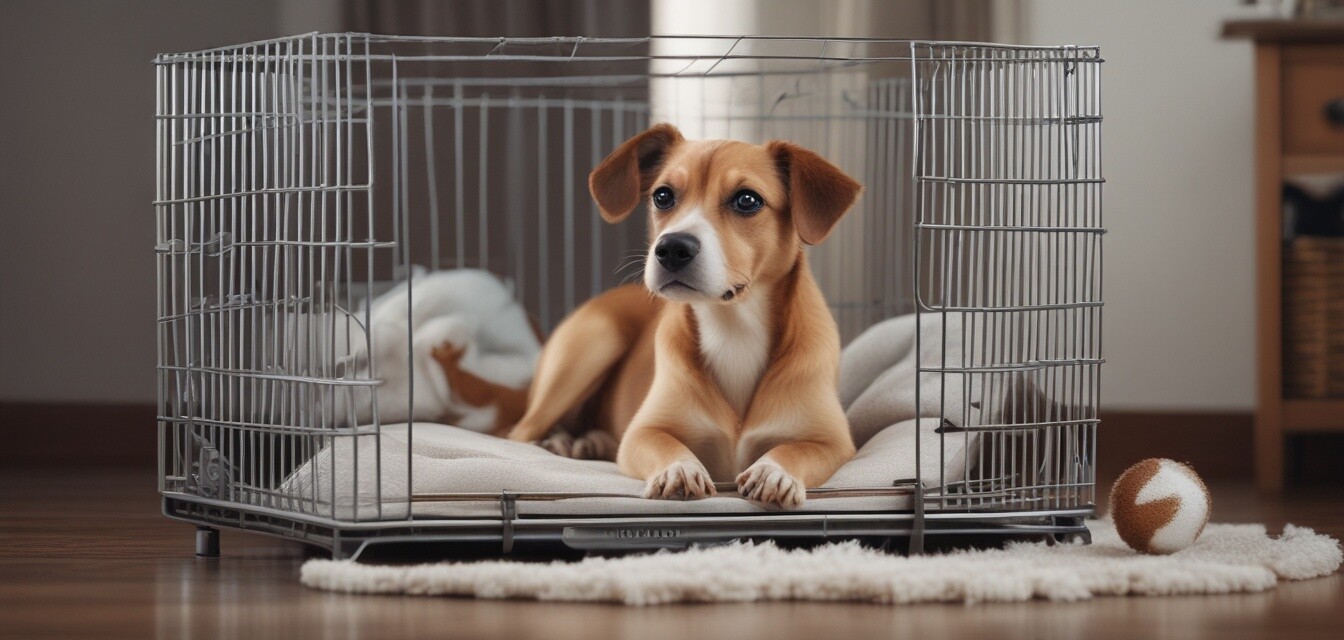
| Wire Crate | All breeds | Ventilation, visibility, collapsible |
| Plastic Crate | Traveling | Durability, easy to clean, portable |
| Soft-Sided Crate | Puppies | Lightweight, portable, flexible |
Crate Size Matters
Choosing the right size crate is crucial. Your dog should be able to stand, turn around, and lie down comfortably. Refer to the following size guide:
| Dog Breed Size | Crate Size |
|---|---|
| Small Breeds (e.g., Chihuahua) | 18-24 inches |
| Medium Breeds (e.g., Beagle) | 24-30 inches |
| Large Breeds (e.g., Labrador) | 30-36 inches |
Techniques for Successful Crate Training
Implementing the following techniques can help your dog adjust to crate training:
- Introduce the Crate Gradually: Allow your dog to explore the crate without forcing them inside.
- Use Positive Reinforcement: Reward your dog with treats when they enter the crate voluntarily.
- Keep Crate Time Short Initially: Start with brief periods and gradually increase the duration.
- Make It Cozy: Add bedding and favorite toys to create a welcoming environment.
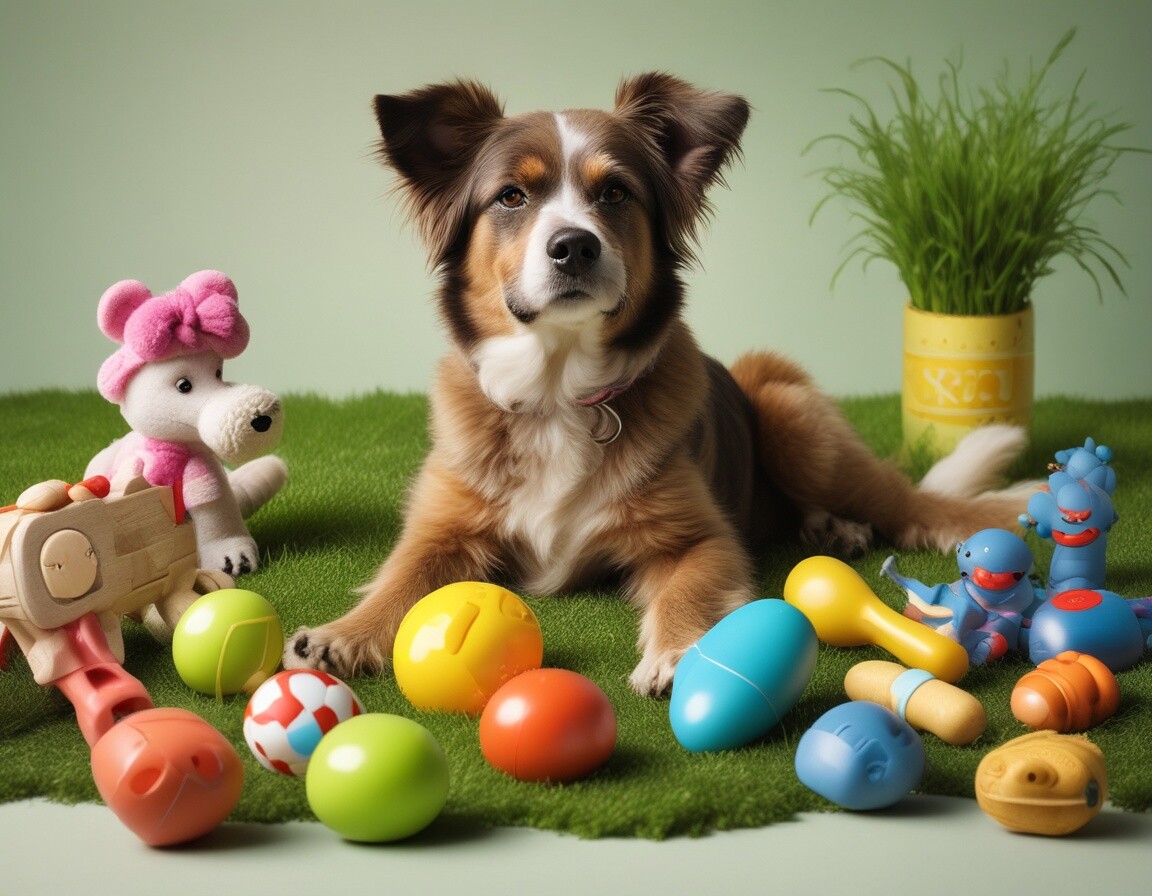
Interactive Toys for Crate Training
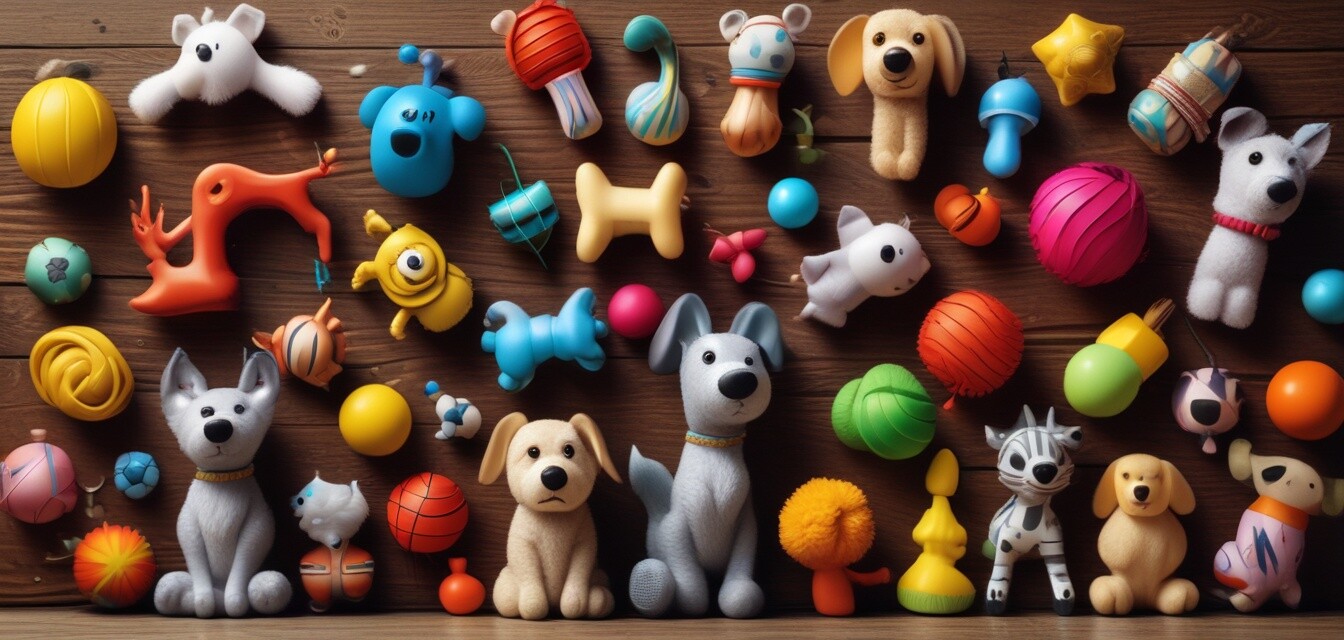
Enhancing the crate experience can be achieved by including interactive toys. Here are some popular options:
| Toy Type | Description |
|---|---|
| Kong Toys | Stuffable toys that can be filled with treats or peanut butter. |
| Puzzle Toys | Toys that challenge dogs and keep them engaged. |
| Chew Toys | Durable toys that satisfy chewing instincts. |
Common Mistakes to Avoid
To ensure a successful crate training experience, be aware of these common pitfalls:
- Using the Crate as Punishment: This can create a negative association with the crate.
- Leaving Your Dog in the Crate Too Long: Dogs need regular bathroom breaks and social interaction.
- Not Providing Enough Stimulation: Boredom can lead to anxiety and restlessness.
Pros
- Creates a safe space for your dog.
- Helps with house training.
- Reduces anxiety during travel.
Cons
- Can be misused and become a negative experience if not done correctly.
- Not suitable for dogs with severe anxiety.
- Requires time and patience to train effectively.
Additional Resources
For more insights and products that can assist you in crate training, check out our other categories:
- Agility Equipment
- Interactive Toys
- Leashes & Harnesses
- Training Books & Guides
- Training Clickers & Whistles
Conclusion
Crate training can be a rewarding experience when approached correctly. By choosing the right tools and employing effective techniques, you can help your dog feel comfortable and secure. Remember, consistency and patience are key to building a positive relationship with the crate. Happy training!
Tips for Beginners
- Start with short sessions.
- Always reward good behavior.
- Ensure the crate is a positive place.