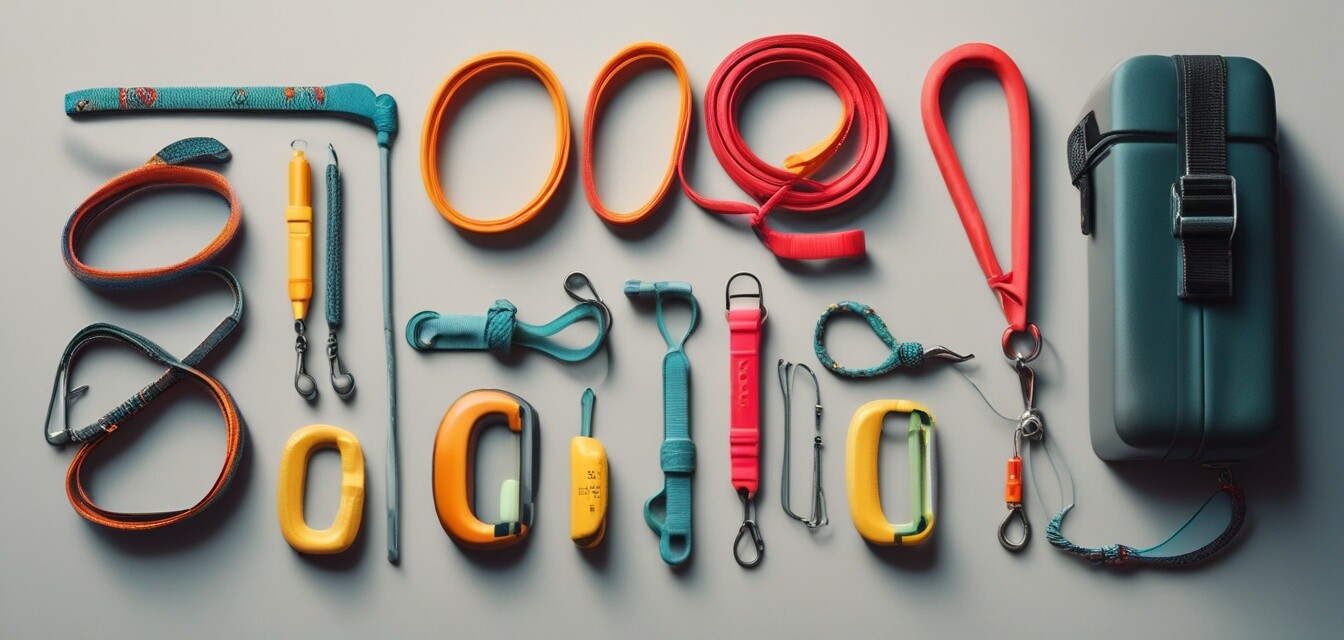
Training Treat Dispensers
Key Takeaways
- Training treat dispensers enhance positive reinforcement during dog training.
- They come in various designs and functionalities to suit different training needs.
- Choosing the right dispenser can improve your dog's engagement and learning.
- Always consider the material and size of the treat dispenser for safety and practicality.
Training your dog can be a rewarding experience, especially when you use the right tools to encourage positive behavior. One of the most effective tools in dog training is the training treat dispenser. These devices not only dispense treats but also promote interaction and engagement between you and your dog. In this guide, we will explore different types of training treat dispensers, their benefits, and tips for choosing the right one for your furry friend.
What are training treat dispensers?
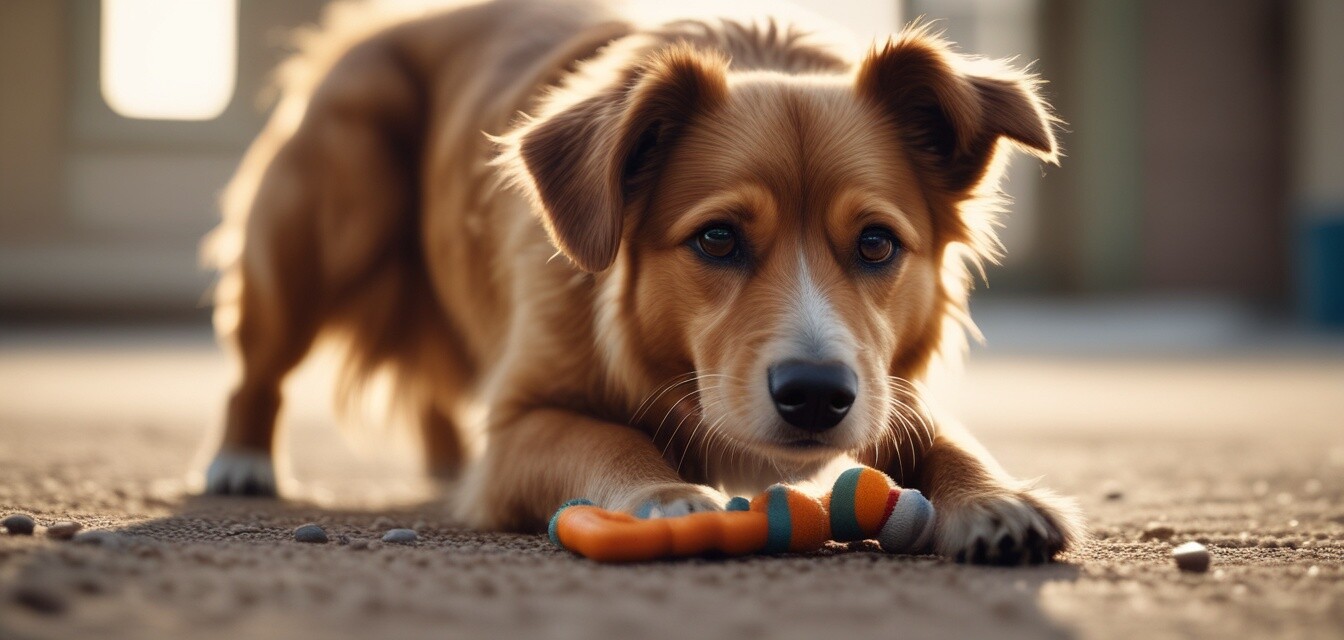
A training treat dispenser is a device designed to hold and dispense treats during training sessions. They help reinforce desired behaviors by rewarding dogs with a treat when they perform a task correctly. These dispensers can vary in complexity, from simple containers to interactive toys that challenge your dog mentally.
Benefits of using training treat dispensers
- Encourages positive reinforcement: Dogs learn best when they are rewarded for good behavior.
- Enhances engagement: Interactive dispensers keep your dog mentally stimulated.
- Convenience: Easily accessible treats can make training sessions smoother.
- Variety: Different designs and features cater to various training styles and dog personalities.
Types of training treat dispensers
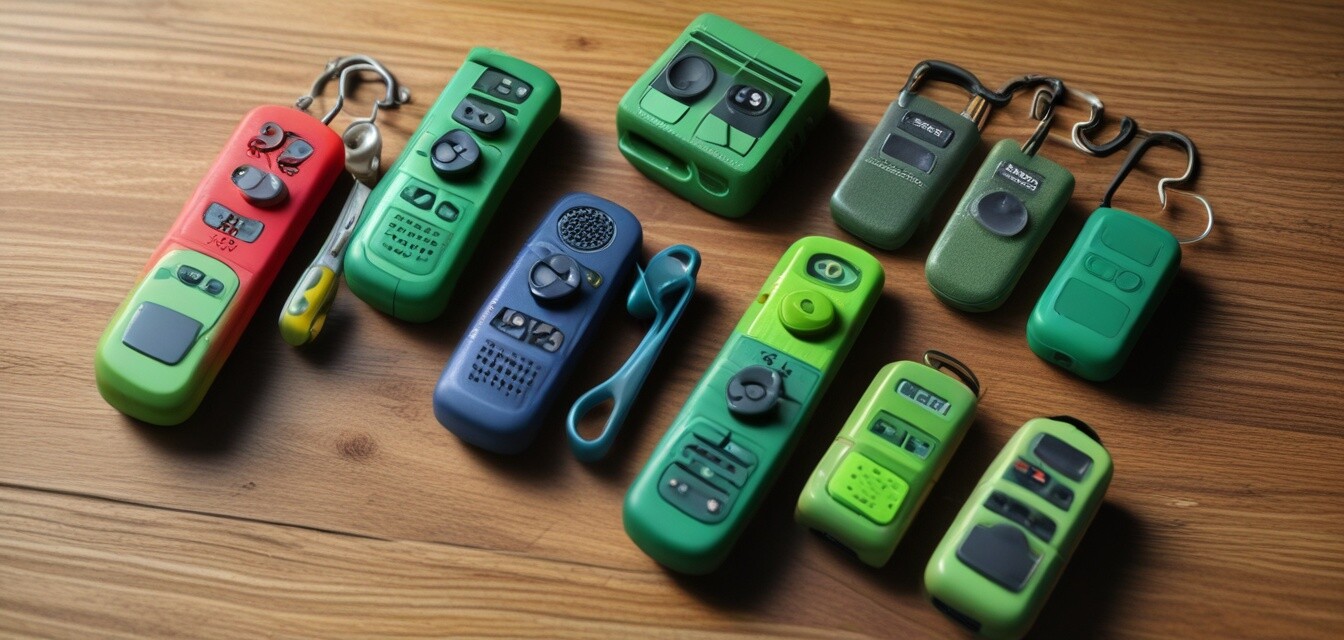
Training treat dispensers can be categorized into several types based on their design and functionality. Below is a comparison table to help you understand the different options available:
| Type | Description | Best For |
|---|---|---|
| Classic treat dispensers | Simple containers that dispense treats when opened or triggered. | Basic training sessions. |
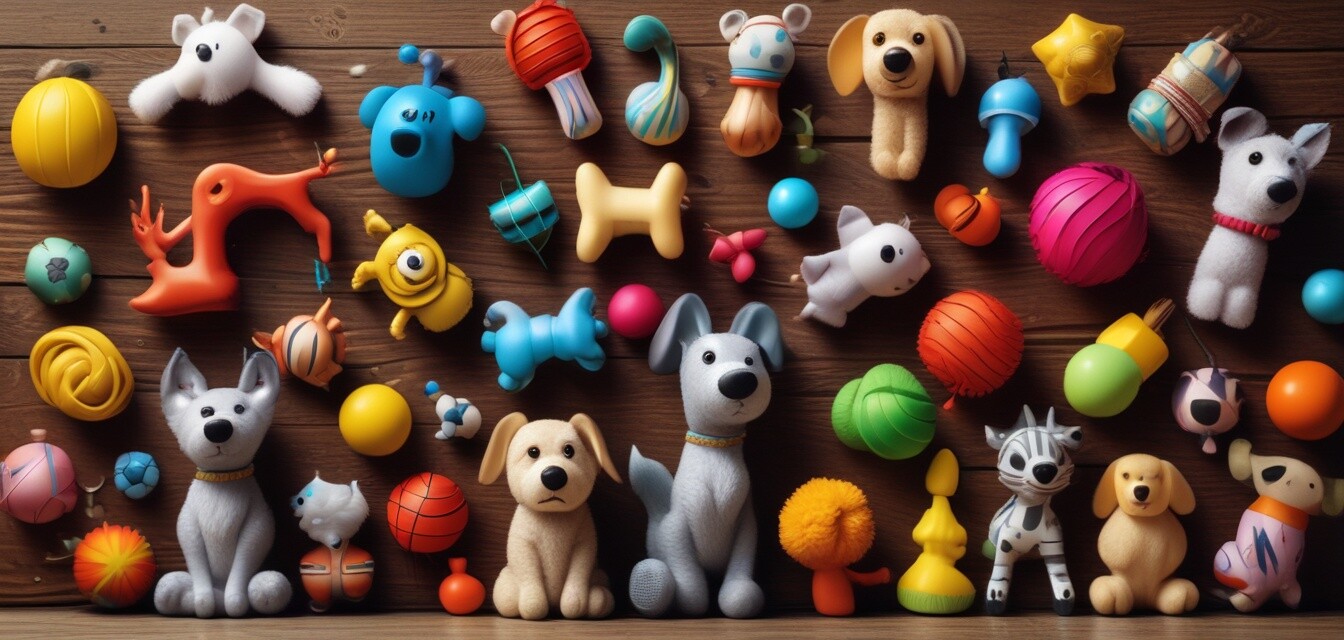
| Interactive toys | Engaging toys that require dogs to solve puzzles to get treats. | Mental stimulation and prolonged play. |
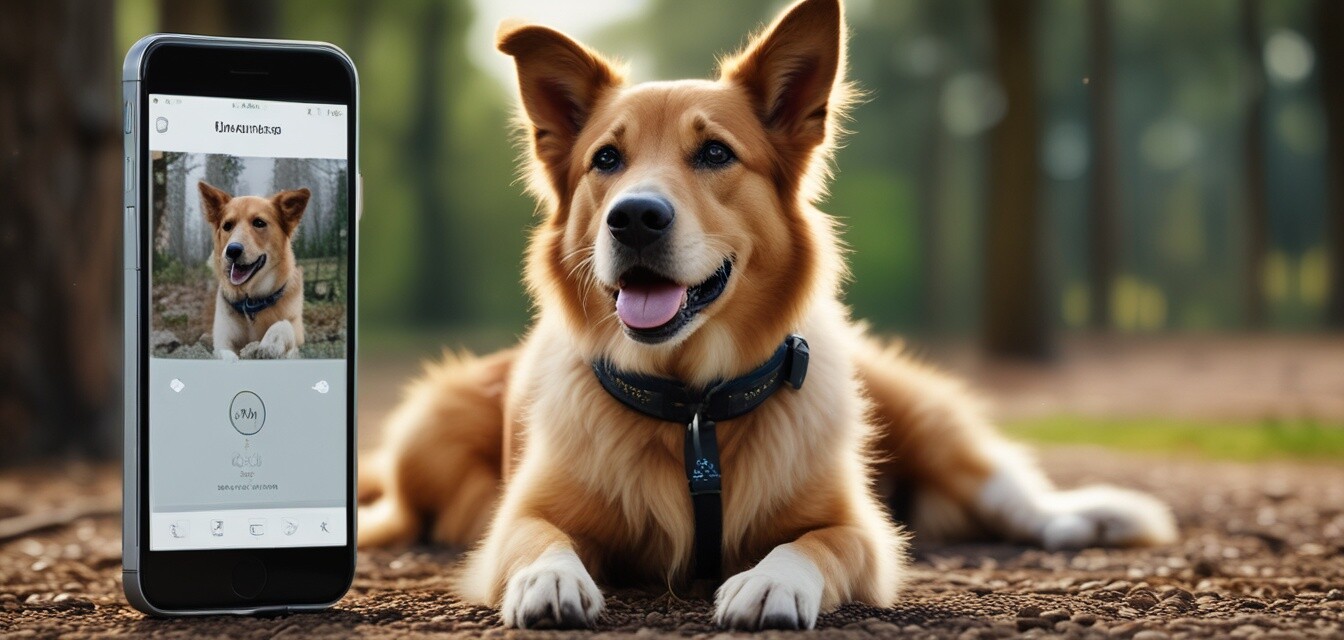
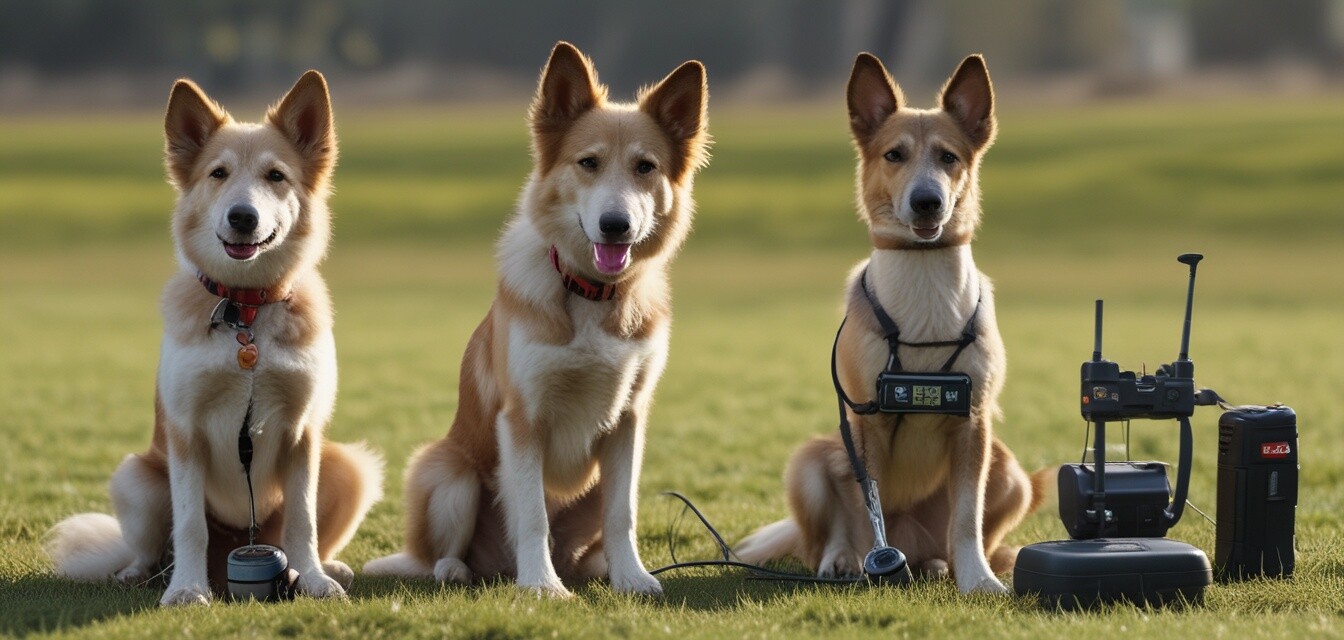
| Automatic dispensers | Electronic devices that can dispense treats at set intervals. | Hands-free training. |
| Portable treat bags | Lightweight bags that allow you to carry treats easily. | On-the-go training. |
How to choose the right training treat dispenser
When selecting a training treat dispenser, consider the following factors:
- Size: Ensure the dispenser is the appropriate size for your dog.
- Material: Look for durable materials that are safe for your pet.
- Ease of use: The dispenser should be easy to fill and clean.
- Functionality: Choose a type that matches your training goals.
Tips for using training treat dispensers effectively
Beginner's tips
- Start with simple rewards before moving to more complex dispensers.
- Use high-value treats that your dog loves to maintain their interest.
- Keep training sessions short and fun to avoid overwhelming your dog.
- Be consistent with your commands and rewards to reinforce learning.
- Monitor your dog’s interaction with the dispenser to ensure they understand how to use it effectively.
Where to find training treat dispensers
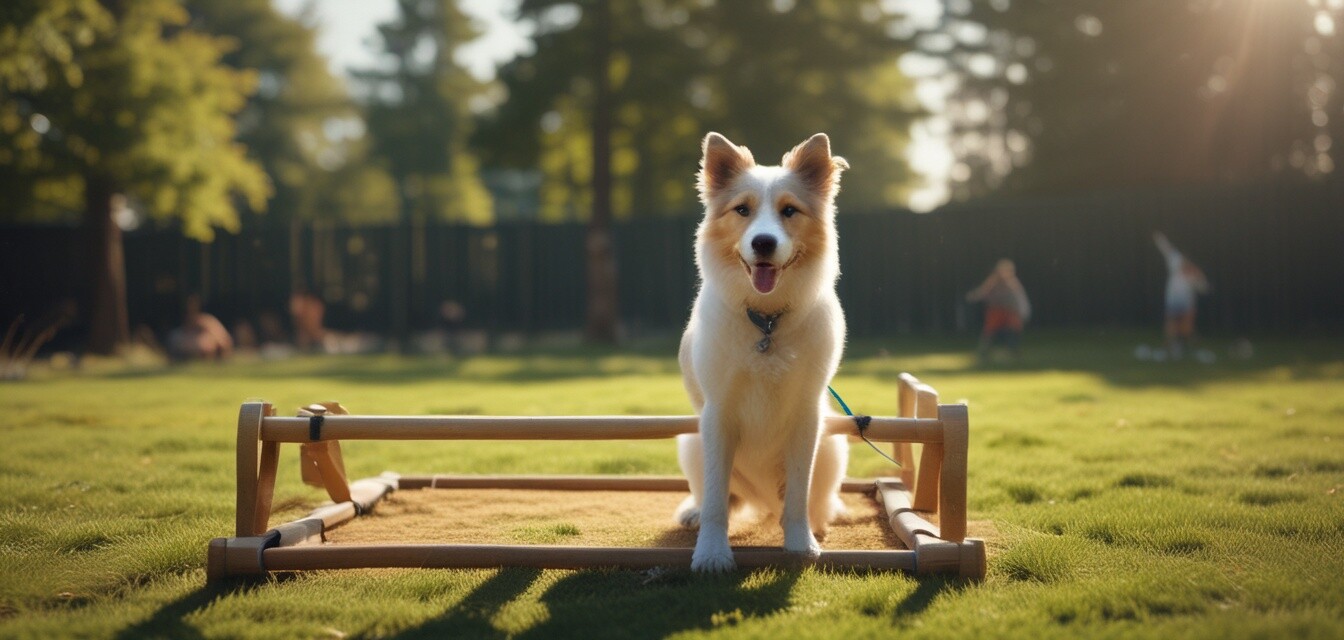
You can find a variety of training treat dispensers at your local pet supply store or online. For more options and insights, check out our pages on Interactive Toys, Treat Bags & Pouches, and Agility Equipment.
Conclusion
Training treat dispensers are a fantastic tool for dog owners looking to enhance their training sessions. By choosing the right dispenser and using it effectively, you can create a positive and engaging experience for your dog. Remember to consider your dog's size, the type of training you plan to do, and the dispenser's features when making a choice. Happy training!
Pros
- Encourages positive behavior reinforcement.
- Enhances engagement and mental stimulation.
- Convenient for on-the-go training.
- Variety of options to suit different needs.
Cons
- Some dispensers may be too complex for certain dogs.
- Initial cost can be higher than traditional training methods.
- Requires effort to clean and maintain.