Remote Trainers: A Comprehensive Guide
Key Takeaways
- Remote trainers are useful tools for dog training when used responsibly.
- They come in various forms including shock collars and vibration collars.
- Understanding the proper usage and training techniques is essential for effective training.
- Always prioritize your dog's well-being and comfort during training.
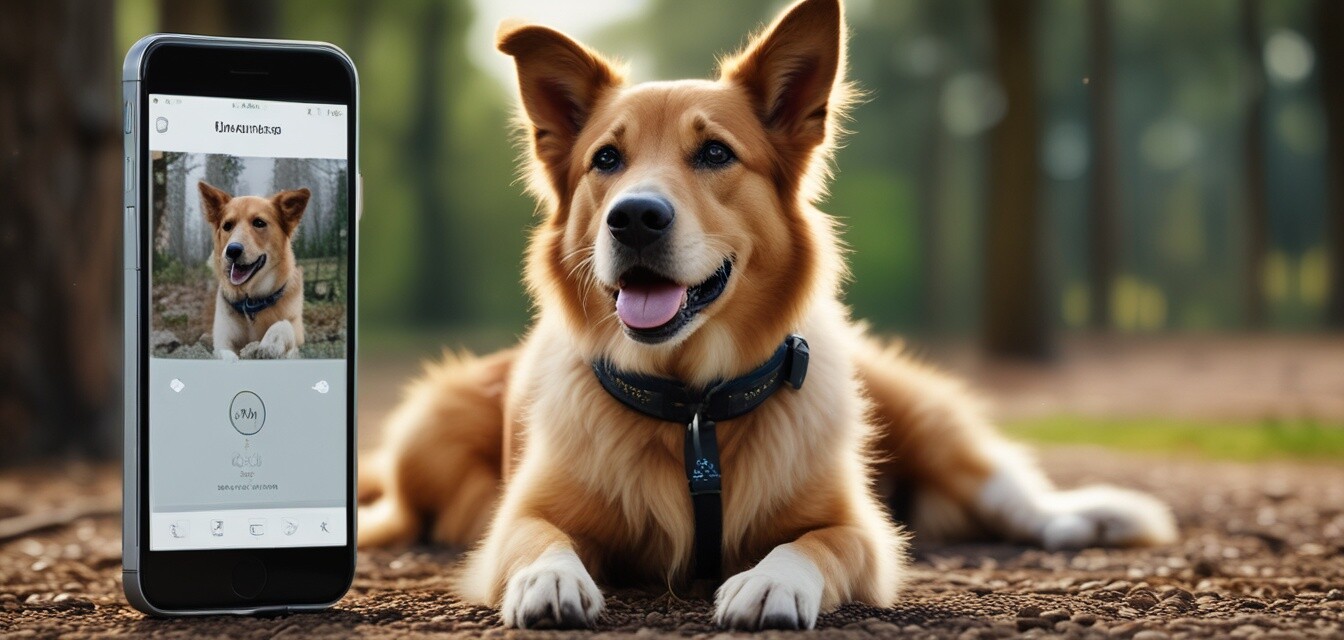
Remote trainers are an innovative way to enhance your dog's training experience. These devices provide a level of control that can be beneficial in various training scenarios. This article will delve into the types of remote trainers, their functionalities, and how to use them responsibly to ensure a positive experience for your dog.
What are remote trainers?
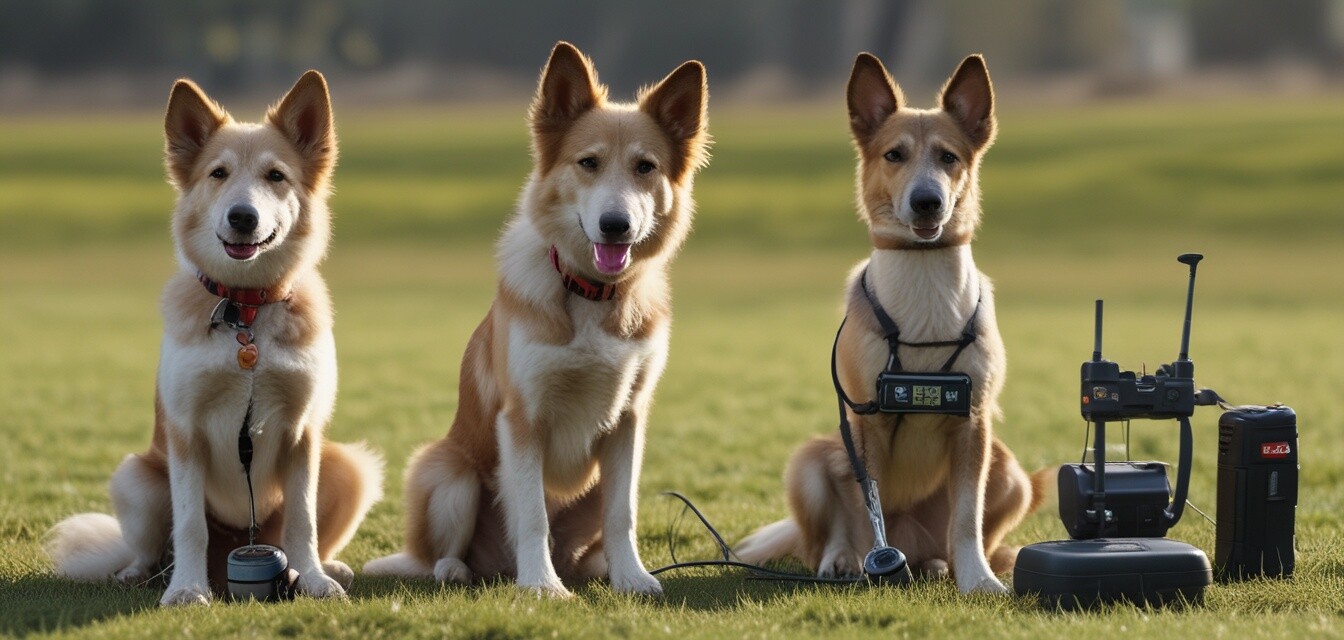
Remote trainers are electronic devices that allow dog owners to communicate with their pets from a distance. They often include features such as sounds, vibrations, and static stimulation. While these tools can be very effective, it is crucial to understand their appropriate use.
Types of Remote Trainers
| Type | Description | Best for |
|---|---|---|
| Shock Collars | Deliver a mild electric shock to the dog. | Behavior correction for stubborn dogs. |
| Vibration Collars | Send a vibration to get the dog's attention. | Gentle reminders for distracted dogs. |
| Sound Collars | Emit a sound to redirect the dog's focus. | Training in noisy environments. |
| Static Stimulation Collars | Provide adjustable levels of static stimulation. | Customizable training for various temperaments. |
How to use remote trainers responsibly
Using remote trainers effectively requires understanding and responsibility. Here are some key steps:
- Research: Understand the type of remote trainer that best suits your dog's needs.
- Start with Positive Reinforcement: Use treats and praises alongside the remote trainer.
- Gradual Introduction: Introduce the trainer slowly and allow your dog to acclimate.
- Monitor Reactions: Observe your dog's behavior and responses closely.
- Set Boundaries: Ensure the training sessions are short and positive.
Training Techniques
Here are a few techniques to keep in mind:
- Consistency: Be consistent in commands and signals.
- Timing: Use the remote trainer immediately after the unwanted behavior.
- Positive Reinforcement: Reward good behavior to reinforce learning.
- Patience: Be patient and allow your dog time to learn.
Choosing the Right Remote Trainer
Choosing the right remote trainer can be overwhelming. Consider the following factors:
- Dog Size: Ensure the device is suitable for your dog's size.
- Range: Check the range of the remote trainer based on your training environment.
- Features: Look for adjustable settings to cater to your dog's needs.
- Battery Life: Ensure the trainer has a reliable battery life for longer training sessions.
Pros and Cons of Remote Trainers
Pros
- Effective for stubborn dogs.
- Allows training from a distance.
- Helps in distracting environments.
- Customizable settings for various needs.
Cons
- Potential misuse can lead to fear.
- Not suitable for all dogs.
- Requires careful monitoring.
- Some dogs may not respond well to stimulation.
Alternatives to Remote Trainers
If remote trainers don't seem like the right fit for you, consider these alternatives:
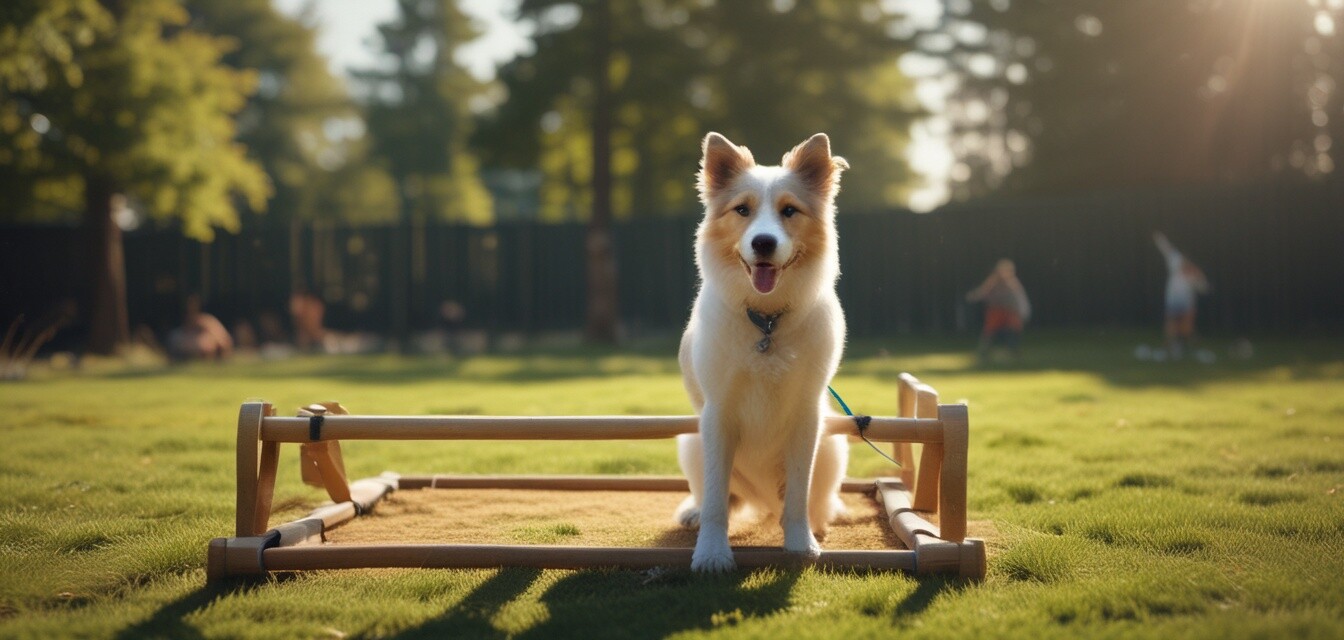
- Agility Equipment - Fun tools that promote exercise and training.
- Interactive Toys - Engaging toys to stimulate your dog's mind.
- Leashes & Harnesses - Essential for training walks.
- Training Books & Guides - Valuable resources for dog training techniques.
- Training Clickers & Whistles - Useful tools for positive reinforcement.

Conclusion
Remote trainers can be powerful tools in your dog training arsenal when used correctly. Understanding the different types available and how to use them responsibly is key to ensuring a positive training experience. Always prioritize your dog’s comfort and well-being throughout the training process.
Tips for Beginners
- Learn the basics of dog behavior before starting training.
- Consult with a professional trainer if unsure about using remote trainers.
- Start with short training sessions to keep your dog engaged.
- Be patient and consistent in your approach.