Obstacle courses
Key Takeaways
- Obstacle courses improve your dog’s agility and fitness.
- Dogs learn essential commands and teamwork through training.
- Building a home course can enhance your bond with your pet.
- Starting with simple elements helps build confidence in your dog.
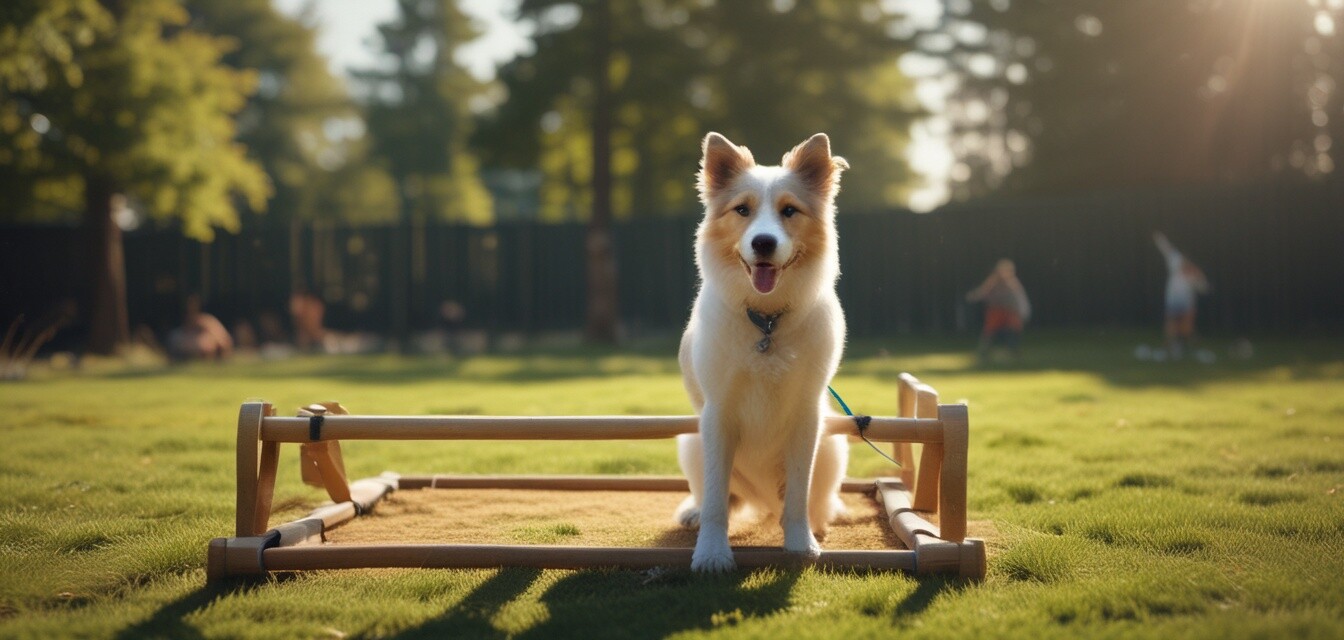
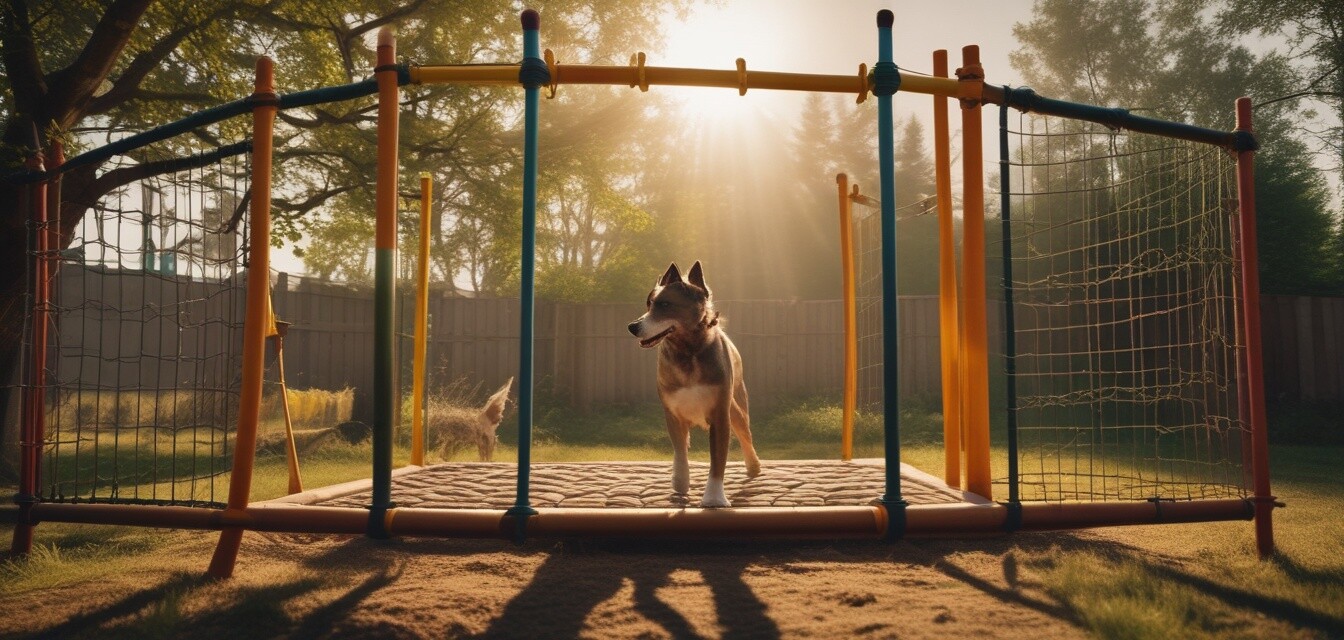
Setting up home obstacle courses for dogs can be a fun and rewarding activity that enhances both their fitness and agility. Obstacle training is not only a way to engage your furry friend physically but also mentally, as it requires problem-solving and coordination. In this article, we’ll dive deep into creating the perfect obstacle course for your canine companion.
Why create an obstacle course?
Creating an obstacle course for your dog allows them to channel their energy positively. It helps improve their agility, builds confidence, and enhances their physical health.
Benefits of obstacle courses
- Improved physical fitness
- Enhanced mental stimulation
- Strengthening of the human-animal bond
- Learning new skills and commands
Required materials
To build your dog’s obstacle course, you can either purchase specialized equipment or use common household items. Here’s a list of materials you might need:
| Equipment Type | Purpose |
|---|---|
| Hurdles | Jumping over obstacles |
| Tunnels | Running through an enclosed space |
| Weave poles | Improving coordination and agility |
| Balance beams | Enhancing balance and confidence |
| Treats | Positive reinforcement during training |
How to set up your obstacle course
Building an obstacle course at home is relatively straightforward. Follow these steps to get started:
- Choose a suitable location: Find a flat area in your yard or indoor space that is safe and has enough space for the course.
- Select the obstacles: Gather the equipment listed above and arrange them to form a course that challenges your dog but remains safe.
- Demonstrate the course: Guide your dog through each obstacle, offering treats and praise to encourage participation.
- Practice regularly: Make obstacle training a routine activity, varying the course to keep it interesting for your dog.
- Monitor your dog's progress: Observe your dog's confidence and skills, adjusting the difficulty of the obstacles as they improve.
Example obstacle course layout
Here is a simple example of an obstacle course structure:
| Obstacle | Arrangement | Description |
|---|---|---|
| Tunnel | Start point | Your dog crawls through this first obstacle. |
| Hurdles | In a row | Set 2–3 hurdles in a row for jumping. |
| Weave poles | Next in line | Place poles that your dog can weave through. |
| Balance beam | Finish line | Your dog balances along this beam to complete the course. |
Training your dog for the obstacle course
Training is key to ensuring your dog navigates the course successfully. Here are some training tips:
Tips for effective training
- Start with one obstacle at a time to build confidence.
- Use positive reinforcement methods like treats and praise.
- Be patient; every dog learns at their own pace.
- Always keep training sessions short and enjoyable.
- Gradually increase the difficulty of the course as skills improve.
Common mistakes to avoid
While setting up and training your obstacle course, be mindful of the following common mistakes:
- Rushing the training process too quickly.
- Overcomplicating the course from the start.
- Neglecting to supervise your dog during training.
- Forgetting to reward your dog's achievements.
Creating a bonding experience
Creating a home obstacle course goes beyond just physical training; it fosters a deeper bond between you and your dog. Engaging in shared activities strengthens trust and communication. Here’s how to make it a bonding experience:
- Participate actively in training sessions.
- Encourage your dog through words and gestures.
- Use the time to play and have fun together.
- Celebrate achievements, big or small, to reinforce your bond.
Conclusion
Incorporating obstacle courses into your dog’s routines not only enhances fitness and agility but also enriches your relationship. Take time to create an engaging course, implement effective training methods, and enjoy the journey alongside your canine buddy!
Pros
- Boosts physical fitness and coordination
- Promotes mental stimulation and problem-solving
- Strengthens owner-dog relationships through teamwork
- Cost-effective and customizable setup
Cons
- Requires space and time to set up
- Some dogs may be hesitant or anxious with new obstacles
- Equipment can be an investment depending on the setup
Learn more
For additional tips and tools on dog training, check out our guides on Agility Equipment, Interactive Toys, and Training Books & Guides. Enhance your dog's experience with the right training tools!